
BNB Price Holds at $637 as Bitcoin ETF Inflows Battle Dollar Rebound
BNB price held at $637.44 Friday as Bitcoin spot ETF inflows offset dollar strength, Hormuz tensions, and a wobbly crypto tape into the weekend.
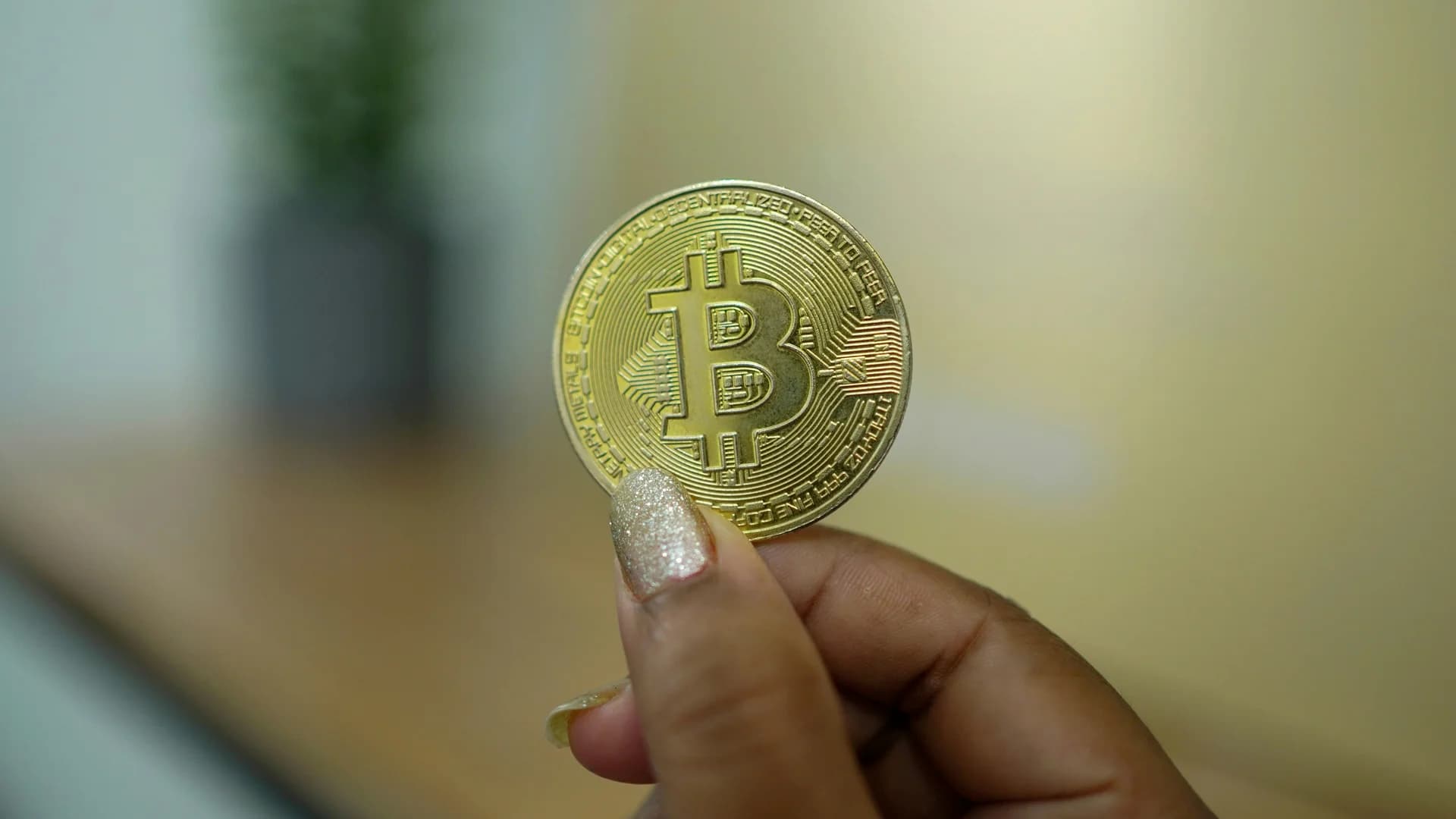
What to Know
- BNB closed Friday at $637.44, up a thin 0.1% as the rest of the majors split in two directions.
- Bitcoin slipped 0.2% to $77,562.27 while Solana led gainers with a 1.2% push to $86.45.
- Continued Bitcoin spot ETF inflows kept a floor under sentiment despite a stronger US dollar and the Strait of Hormuz blockade.
- Traders are watching US-Iran ceasefire talks in Pakistan as the next swing factor for risk assets into next week.
The BNB price closed Friday at $637.44, a barely-there 0.1% gain that says more about the wider crypto tape than it does about Binance's exchange token. Investors spent April 24 caught between two opposing forces: persistent Bitcoin spot ETF inflows on one side, a rebounding US dollar and Middle East oil shock on the other. Nobody won. The market just sat on its hands.
BNB Price Drifts Sideways While the Crypto Tape Splits
Friday's close told a story of indecision. BNB ticked up 0.1% to $637.44. Ethereum managed 0.2% to $2,316.83. Bitcoin actually went the other way, shedding 0.2% to $77,562.27 even as flows into US spot ETFs kept arriving, according to data from issuers tracked at Bitcoin spot ETF inflows.
Solana was the day's winner among large caps, climbing 1.2% to $86.45. Cardano added 1.1% to $0.2517, Dogecoin gained 0.9% to $0.0989, and XRP edged up 0.3% to $1.43. TRON was the laggard, down 1.3% to $0.3235. Both major dollar stablecoins, USDT and USDC, held the peg flat at $1.00.
What stands out isn't any single move. It's the spread. When Solana is up over a percent and Bitcoin is down, with BNB and ETH sitting on tiny gains, you're looking at a market that can't decide whether to lean into risk or hide. That kind of tape usually breaks one way hard once a catalyst lands.
Why Did the US Dollar Rebound Pressure Crypto on Friday?
The short answer: geopolitics and inflation. The dollar caught a bid through the session as traders priced in the supply shock from the Middle East and the chance that the Federal Reserve will have to stay tighter for longer if oil keeps grinding higher. A stronger dollar is the oldest headwind in crypto, and it showed up right on cue.
Brent crude settled at $105.33 a barrel on Friday after a 26-cent rise. WTI was the odd one out, slipping 1.5% to $94.40. For the week, though, both benchmarks rocketed: Brent up roughly 16%, WTI nearly 13%. That kind of weekly print drags inflation expectations higher, and inflation expectations drag the dollar with them.
Funny thing is, none of that stopped the ETF bid. Spot Bitcoin funds kept pulling money in even as BTC's spot price drifted lower. That's the gap that matters here. If allocators are still buying the dip into a strong-dollar tape, the floor is probably closer than the headline price suggests.
The Strait of Hormuz Is the Real Story
Why a shipping lane matters for your BNB bag
Crypto traders who don't follow tanker traffic are missing the plot. Roughly a fifth of global oil output used to move through the Strait of Hormuz before the current crisis. Right now, that flow is effectively blocked.
Iran's Islamic Revolutionary Guard Corps seized two container ships, the MSC Francesca and the Epaminondas, in retaliation for the US grabbing the Iranian cargo vessel Touska. Non-oil tankers have stopped trying. Goldman Sachs estimates Gulf oil production is now down 57% from pre-war levels. JPMorgan analysts argue prices may need to climb higher still to force demand destruction.
International Energy Agency chief Fatih Birol said the damage runs deeper than the current quarter. Confidence in fossil fuel security has been permanently dented, he said in a statement, and any country exposed to Hormuz will rethink how much geopolitical risk it's willing to bake into its energy mix. That's a long-cycle argument, and it bleeds straight into the dollar, into rates, and into every digital asset priced in dollars.
Countries exposed to the Strait of Hormuz disruption will rethink how much geopolitical risk they are willing to embed in their energy systems.
US-Iran Ceasefire Talks Could Be the Pivot
The bull case for crypto into next week runs through Islamabad. Iranian Foreign Minister Abbas Araqchi was expected to land in Pakistan late Friday to discuss restarting negotiations after talks collapsed earlier in the week. President Donald Trump confirmed he was dispatching special envoy Steve Witkoff and Jared Kushner to those same US-Iran ceasefire talks, according to reporting from CNN.
Trump told reporters Friday that Iran plans to make an offer designed to meet US demands. He also said Wednesday he would extend the ceasefire indefinitely to give negotiators room. Whether that holds is anyone's guess. But the setup is clear: a successful track here means oil softens, the dollar eases, and risk assets including BNB, BTC and ETH catch a relief bid.
A failure means the opposite. Brent grinds higher, the dollar stays bid, and the kind of sideways tape we saw Friday turns into something nastier. This is the binary that's actually pricing the market right now, not any single on-chain metric or exchange flow.
- Bull path: ceasefire holds, oil eases, dollar softens, BNB and majors get a relief rally
- Bear path: talks collapse again, Brent retests highs, dollar strengthens, crypto bleeds with risk assets
- Wildcard: a fresh Hormuz incident before talks even start
What the BNB Chart Is Telling Us
Zoom out from Friday and the BNB story is one of resilience, not strength. Holding $637 while Bitcoin loses ground and the dollar climbs is not nothing. It tells you that whatever flows are buying BNB, and Binance's ecosystem demand is one obvious source, are absorbing the macro headwinds the rest of the market is feeling.
Compare that to TRON's 1.3% loss on the same day. Both are exchange-adjacent ecosystems with deep stablecoin rails. One held, one didn't. The divergence is worth watching because it suggests positioning, not just price, is rotating between similar bets.
The honest read is that BNB at $637.44 is a coin in a holding pattern, waiting for the macro to pick a direction. The flat USDT and USDC peg confirms there's no panic here. There's no euphoria either. That's a market saving its energy for the next real catalyst.
Bitcoin ETFs Are Still the Anchor
Strip out the geopolitics for a second and look at flows. The fact that US spot Bitcoin ETFs kept pulling capital in on a day the dollar rebounded and BTC's spot price slipped tells you something the headline number doesn't. Allocator demand is steady. The buyers showing up through the ETF wrapper aren't day traders chasing momentum. They're the slow money that doesn't really care about a 0.2% wiggle on a Friday afternoon.
That base of demand is what's keeping the rest of the market, including BNB, ETH and SOL, from cracking when the macro turns hostile. It's also why a real ceasefire in the Middle East could be powerful. You'd be stacking a relief bid on top of an already-present structural bid. That's how rallies start.
Frequently Asked Questions
What is the BNB price right now?
BNB closed Friday, April 24, 2026, at $637.44, up 0.1% on the session. The token traded sideways while Bitcoin slipped 0.2% to $77,562.27 and Solana led gainers with a 1.2% climb to $86.45. The flat tape reflected dollar strength offsetting steady spot Bitcoin ETF inflows.
Why did Bitcoin drop while ETF inflows continued?
Bitcoin lost 0.2% to $77,562.27 on Friday despite continued spot ETF inflows because the US dollar rebounded on geopolitical and inflation risks tied to the Strait of Hormuz blockade. ETF demand is structural and slow-moving, while spot price reacts to short-term macro flows like dollar strength and oil-driven inflation expectations.
How does the Strait of Hormuz affect crypto prices?
The Strait of Hormuz used to carry roughly a fifth of global oil output. With navigation effectively blocked, Brent crude jumped about 16% for the week, lifting inflation expectations and the US dollar. A stronger dollar is a direct headwind for Bitcoin, BNB, Ethereum and other risk assets priced in USD, which is why crypto sat flat Friday.
What should crypto traders watch next week?
The single biggest catalyst is the US-Iran ceasefire track in Pakistan, where Witkoff and Kushner are meeting Iran's foreign minister. A breakthrough would soften oil, weaken the dollar, and likely lift BNB and the majors. A collapse would strengthen the dollar further and pressure risk assets, turning Friday's sideways tape into a downside break.


