
Naira Slides to N1,353 at NAFEX as Reserves Drop and Hormuz Shock Hits Markets
Naira NAFEX depreciation to N1353 on April 22 as Nigeria's reserves keep falling, Hormuz oil spike pressures risk assets, Japan CPI stays subdued.
What to Know
- The Naira closed at N1,353.91/$1 in the NAFEX window on April 22, down N5.46 or 0.4 percent in a single session
- NFEM interbank turnover collapsed to N28.1 million from N66.1 million the day before, a brutal signal of dried-up dollar liquidity
- Brent crude jumped 3.1 percent to $105.07 as Iran tightened its grip on the Strait of Hormuz, squeezing emerging markets further
- Bitcoin slipped 0.6 percent to $77,935 and Ethereum lost 1.8 percent to $2,316 as traders rotated into the dollar
The Naira NAFEX depreciation to N1353 on Thursday, April 22, was not a standalone Lagos story. It was a symptom. Fresh dollar demand hammered the Nigerian Autonomous Foreign Exchange Market, pushing the local currency to N1,353.91/$1 from N1,348.45/$1 a day earlier, a 0.4 percent slide that looks modest on paper and feels much worse on the ground. NFEM interbank turnover cratered to N28.1 million from N66.1 million. That is the real tell.
Why Is the Naira Falling Against the Dollar Again?
Short answer: dollars are scarce and getting scarcer. The Central Bank of Nigeria has been leaning on its reserve pile to steady the Naira for months, and the pile keeps shrinking. Traders watched turnover in the interbank window fall by more than half in one session, which tells you sellers either pulled back or got picked clean fast.
The CBN said last week the decline in external reserves should not be a cause for concern. Markets disagreed politely by selling the currency anyway. The gap between the NAFEX print at N1,353.91 and the parallel market rate of N1,375 has not widened dramatically, but the parallel rate has stayed stubbornly above the official one all week. That spread is the market telling you something about the central bank's currency defense and the cost of running a managed float when commodity prices turn hostile.
The Pound Sterling gained N4.13 against the Naira to close at N1,825.88/£1. The Euro pushed up 72 Kobo to N1,582.72/€1. Against the GTBank FX desk, the Naira printed flat at N1,361/$1. The parallel market did the same at N1,375/$1. Every window, same direction. That is not a noise day.
The Hormuz Problem Is Now a Naira Problem
Here is where a Lagos FX report becomes a global story. Crude oil prices spiked roughly $3 a barrel on Thursday as Iran tightened its grip on the Strait of Hormuz. Brent crude settled at $105.07 after climbing 3.1 percent. West Texas Intermediate closed at $95.85, up 3.11 percent. For an oil exporter, you would think higher Brent is a gift. It is not that simple.
The Strait of Hormuz carried about 20 percent of daily global oil supplies until the war started on February 28. One ship passed through the waterway on Tuesday. By Wednesday more tried, and Iran attacked two and reportedly seized two more. International Energy Agency executive director Fatih Birol called the disruption the largest energy security threat the world has ever faced, saying the market has lost 13 million barrels per day and that last month's coordinated emergency release of 400 million barrels cannot offset the loss.
Nigeria should be cashing in. Instead, the Strait of Hormuz oil prices story is feeding a stronger dollar across emerging markets, and a stronger dollar is exactly what the Naira does not need right now. Higher crude revenue takes weeks to hit reserves. Dollar strength hits the Naira by lunch.
As of today, we've lost 13 million barrels per day of oil, and there are major disruptions in vital commodities.
Japan's Inflation Print Adds Another Crosscurrent
The other wire hanging over risk assets this week came out of Tokyo. Japan's March inflation print showed core prices ticking higher but still sitting below the Bank of Japan's 2 percent target, which leaves Governor Kazuo Ueda's team in the same awkward spot they have been in all year. Traders who were looking for a clean signal on rate hikes did not get one.
That cautious read on the BOJ matters more than it sounds. A yen that is not about to strengthen means the dollar keeps its bid across Asia, which bleeds into every other emerging market currency, Naira included. Combine a patient BOJ with a Fed that just watched Brent jump three bucks, and you have an environment where dollar assets keep winning and frontier currencies keep bleeding.
None of that shows up on a single Lagos trading screen. All of it shows up in turnover collapsing from N66.1 million to N28.1 million.
Crypto Traders Got a Mixed Bag
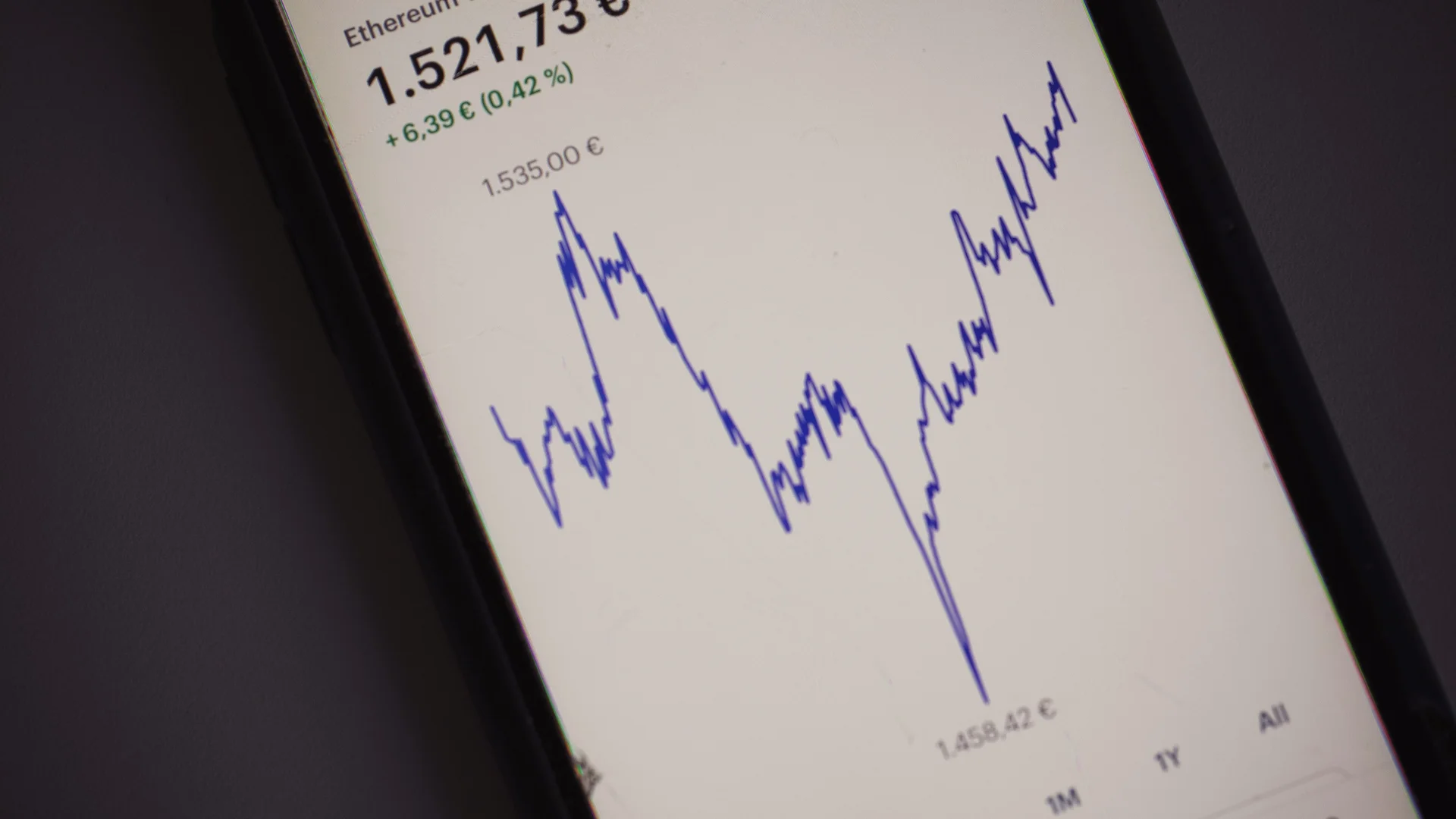
Digital assets split on Thursday. The majors leaned red. Ethereum fell 1.8 percent to $2,316.53. Bitcoin slipped 0.6 percent to $77,935.53. Solana dropped 0.5 percent to $85.67. BNB lost 0.4 percent to $634.85.
The smaller caps went the other way. Dogecoin climbed 1.4 percent to $0.0976. XRP added 0.7 percent to $1.43. Cardano gained 0.6 percent to $0.2493. TRON printed 0.2 percent higher at $0.3279. Tether and USDC sat flat at $1.00, which is the one thing you want them to do.
For Nigerian traders, crypto is not an abstraction. The parallel Naira rate and the P2P stablecoin rate tend to move as cousins. When USDT holds the peg and the Naira wobbles, you learn something about where retail sees value.
- Bitcoin (BTC): down 0.6 percent to $77,935.53
- Ethereum (ETH): down 1.8 percent to $2,316.53
- Solana (SOL): down 0.5 percent to $85.67
- Dogecoin (DOGE): up 1.4 percent to $0.0976
- XRP: up 0.7 percent to $1.43
- Cardano (ADA): up 0.6 percent to $0.2493
What Does This Mean for the Nigerian Exchange and Beyond?
The NGX did not get the memo about macro pain. The All-Share Index rose 1.48 percent on Thursday, stretching year-to-date gains to 43.20 percent. Market capitalization added N2.093 trillion to finish at N143.477 trillion. Consumer goods led the charge, up 4.67 percent. Banking tacked on 1.53 percent. Industrial goods rose 1.03 percent.
Unilever Nigeria and UAC Nigeria both hit the 10 percent daily cap to close at N121.00 and N133.10. Dangote Sugar jumped 9.78 percent to N73.50. Access Holdings was the busiest ticker with 39.5 million units worth N1.3 billion. So equities are partying. The FX desk is not. That divergence is the story worth watching into next week.
Call it what it is. The CBN is managing a currency through a global oil shock and a dollar bid that nobody is fighting. The equity rally is giving local investors cover. The FX turnover number is giving them a warning.
What Happens Next?
Three things to watch. First, whether Nigerian external reserves stabilize or keep drifting lower as the CBN intervenes. Second, whether the Hormuz disruption eases before the 60-day congressional war-powers clock expires on May 1. Third, whether the BOJ uses its next meeting to finally commit to a direction or buys another month of ambiguity.
If reserves keep falling and Brent keeps climbing, N1,353 is not the floor. It is the waypoint.
Frequently Asked Questions
Why did the Naira fall to N1,353 at the NAFEX window?
The Naira weakened 0.4 percent to N1,353.91/$1 on April 22 because fresh dollar demand hit a market already running on thin liquidity. NFEM interbank turnover fell to N28.1 million from N66.1 million, and global dollar strength from the Hormuz oil shock added pressure on Nigeria's managed float.
How does the Strait of Hormuz crisis affect Nigeria?
The Strait of Hormuz crisis lifted Brent crude 3.1 percent to $105.07, which should help Nigerian oil revenue over time. In the short term, the event strengthens the US dollar across emerging markets, which weakens the Naira immediately. Reserves take weeks to rebuild. FX pressure hits the same day.
What did Japan's March inflation data show?
Japan's core inflation ticked higher in March but stayed below the Bank of Japan's 2 percent target, leaving the BOJ cautious about signaling a rate hike. That keeps the yen soft, the dollar firm, and emerging market currencies including the Naira under continued pressure from global risk flows.
Is Nigeria's foreign reserve decline a problem?
The Central Bank of Nigeria said the recent decline in external reserves should not be a cause for concern. Markets responded by selling the Naira anyway. Interbank turnover collapsed by more than half in a single session, which traders read as a sign that dollar liquidity is tighter than official messaging suggests.


