
Watch XRP, Plasma, DOGE as Bitcoin Idles Near $75K
XRP spot ETF inflows hit a 10-week high, Plasma blockchain TVL surges 80%, and DOGE Bollinger Bands squeeze to tightest since 2024 as Bitcoin stalls at $75K.
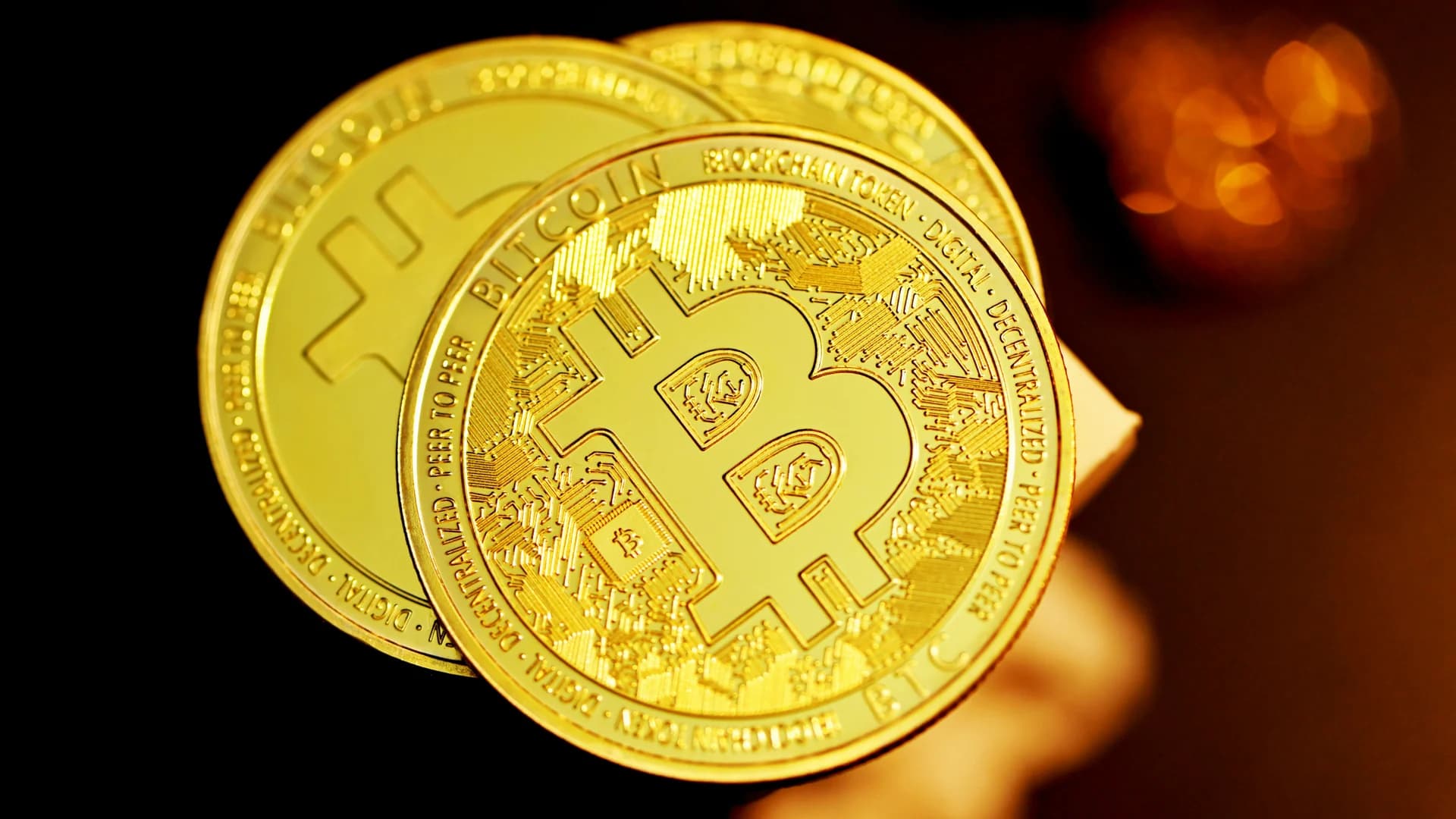
What to Know
- $17 million in spot XRP ETF inflows recorded on Wednesday — the highest since February 2, per SoSoValue
- Plasma blockchain TVL hit $2 billion, up 80% in 30 days, now ranked seventh globally by DeFiLlama
- DOGE Bollinger Bands compressed to their tightest since February 2024, signaling a major volatility breakout ahead
- Bitcoin continues to drift near $75,000 as on-chain profit-taking and cautious options markets suppress momentum
XRP spot ETF inflows are climbing again, a stablecoin-native blockchain called Plasma just cracked the global top-10 by TVL, and Dogecoin is coiling so tight it could snap. Meanwhile Bitcoin — the market's supposed anchor — is doing absolutely nothing near $75,000. That actually creates an opening if you know where to look.
XRP ETF Inflows Hit a 10-Week High — What's Driving It?
U.S.-listed XRP spot ETF inflows topped $17 million on Wednesday, the strongest single-day number since February 2, according to SoSoValue. That might sound modest next to Bitcoin ETF flows, but it's meaningful precisely because of how quiet XRP demand had been for months. A prolonged stretch of near-zero uptake doesn't reverse unless something changes. Apparently, something did.
Part of that shift is institutional. Ripple inked a partnership with Kyobo Life Insurance to pilot South Korea's first real-time tokenized government bond settlement on blockchain — a use case that speaks directly to XRP's core pitch as a payments and settlement layer. The timing wasn't accidental. When real-world financial institutions start deploying on a chain, derivatives traders tend to follow.
And they did. Open interest across XRP futures jumped to 1.89 billion XRP — a level last seen in late March — with funding rates staying positive throughout, per Coinglass data. Cumulative volume delta turned bullish too. The setup doesn't guarantee a move, but it's the kind of alignment worth tracking. Positive funding rates mean longs are paying shorts to stay in position, which is structurally supportive as long as it doesn't overheat.
Plasma Blockchain TVL Just Exploded — Here's Why It Matters
Stablecoin-focused layer-1 chain Plasma has quietly become the world's seventh-largest blockchain by total value locked, with Plasma blockchain TVL sitting at $2 billion as of Wednesday, according to DeFiLlama. That's up 27% in the past week and more than 80% in the past 30 days. For a network that most retail traders have never heard of, that's a serious number.
The exact catalyst isn't nailed down, but the most credible theory is regulatory momentum around the CLARITY Act — a proposed U.S. bill designed to clarify how digital assets, including stablecoins, are classified and which federal agencies oversee them. JPMorgan flagged the bill as a tailwind for stablecoin-native networks, and Plasma fits that profile precisely. If stablecoin regulation gets a green light in Washington, chains built specifically around them get re-rated fast.
Plasma also landed a notable product placement this week: Tether selected it as one of only three networks — alongside Ethereum and Arbitrum — to support its newly announced self-custody wallet. That's a small list. Getting named next to Ethereum for anything is a credibility signal that doesn't get ignored by the liquidity crowd. Whether the TVL growth holds past the initial hype is the real question, but for now the numbers are moving in one direction.
DOGE Is Coiling. What Happens When Bollinger Bands Squeeze This Hard?
Dogecoin DOGE Bollinger Bands — the volatility indicators plotted two standard deviations above and below price — have compressed to their tightest point since February 2024. More than two years of compression history, and right now the bands are at their narrowest. In technical analysis, that setup has a name: a Bollinger Band squeeze. It doesn't predict direction, but it almost always precedes a significant, fast-moving breakout.
DOGE has been stuck in a holding pattern, unable to attract either sustained buying or aggressive selling. Neither side has conviction. That kind of standoff tends to break violently once one side capitulates. The resulting move — whether up or down — tends to be outsized relative to recent range. Traders who sleep on this compression usually wish they hadn't.
To be clear about what this does and doesn't say: the squeeze tells you magnitude, not direction. A rally from here toward prior highs is just as technically valid as a flush toward lower support. What the setup guarantees is that the current drift doesn't last. DOGE's extended period of muted price action is closing. The market just hasn't decided where to send it yet.
Bitcoin Near $75K — Why the Sideways Grind Actually Helps Altcoins
Bitcoin sitting still near $75,000 sounds like a non-event, but the composition of that stillness matters. On-chain data points to continued profit-taking from longer-term holders — not panic, just gradual distribution. Spot demand has been uneven across exchanges. Options traders are staying cautious, with no strong positioning in either direction. The net result is a market that grinds sideways instead of making a decision.
That environment tends to be more favorable for selective altcoin trades than a Bitcoin momentum move would be. When BTC is ripping, everything else either follows blindly or gets ignored. When BTC idles, capital hunts for catalysts — and XRP's institutional news flow, Plasma's TVL surge, and DOGE's technical setup are exactly the kind of catalysts that stand out. The rangeplay isn't a problem if you're positioned in the right spots.
The caveat: rangeplay can end abruptly. Bitcoin's compressed options volatility mirrors DOGE's Bollinger Band squeeze in a loose sense — the calm doesn't last forever. If macro conditions shift, or if Bitcoin breaks decisively above $75,000, the landscape changes quickly. Until then, the sidelines don't look like the safest place to be.
Frequently Asked Questions
What are XRP spot ETF inflows and why are they significant?
XRP spot ETF inflows represent fresh capital entering U.S.-listed exchange-traded funds that hold XRP directly. When inflows rise, it signals growing institutional demand. Wednesday's $17 million figure — the highest since February 2 per SoSoValue — indicates renewed interest after a prolonged quiet period in XRP trading activity.
What is Plasma blockchain and why is its TVL growing?
Plasma is a stablecoin-focused layer-1 blockchain that recently reached $2 billion in total value locked, ranking it seventh globally per DeFiLlama. The TVL surge of over 80% in 30 days is linked to optimism around U.S. stablecoin regulation via the CLARITY Act, plus Tether selecting Plasma to support its new self-custody wallet.
What does a Dogecoin Bollinger Band squeeze mean for price?
A Bollinger Band squeeze occurs when volatility compresses to unusually low levels, indicating that a significant price move is likely imminent. DOGE bands are at their tightest since February 2024. The squeeze signals the breakout will be large and fast, but does not indicate direction — it could be a sharp rally or sharp decline.
Why is Bitcoin drifting near $75,000 in April 2026?
Bitcoin's sideways movement near $75,000 reflects a combination of on-chain profit-taking from long-term holders, uneven spot demand across exchanges, and cautious positioning in the options market. Traders are waiting for a clear catalyst before committing to the next directional move.


